The Making of a Place: Placemaking vs Placemarketing
By Kayleigh Sheldon
Placemaking and placemarketing are too often used interchangeably.
They shouldn’t be.
They sit in different boxes, do very different jobs and require completely different ways of thinking. In my role across Spinningfields and St. John’s in Manchester, I look after both and have to give each equal attention whilst being clear on the distinction between them.
Placemarketing: Shaping Perception
Placemarketing is about how a place is positioned and understood across multiple channels, potentially before as well as alongside, people physically experience it.
It’s not just branding. It’s the coordination of every touchpoint that shapes perception, what people see, read and hear about a place and how consistently that story is told. That includes visual identity, tone of voice as well as on and offline media.
The key is consistency. A place only builds momentum when the same narrative is reinforced across every channel, whether that’s a press article, an Instagram post or email communications.
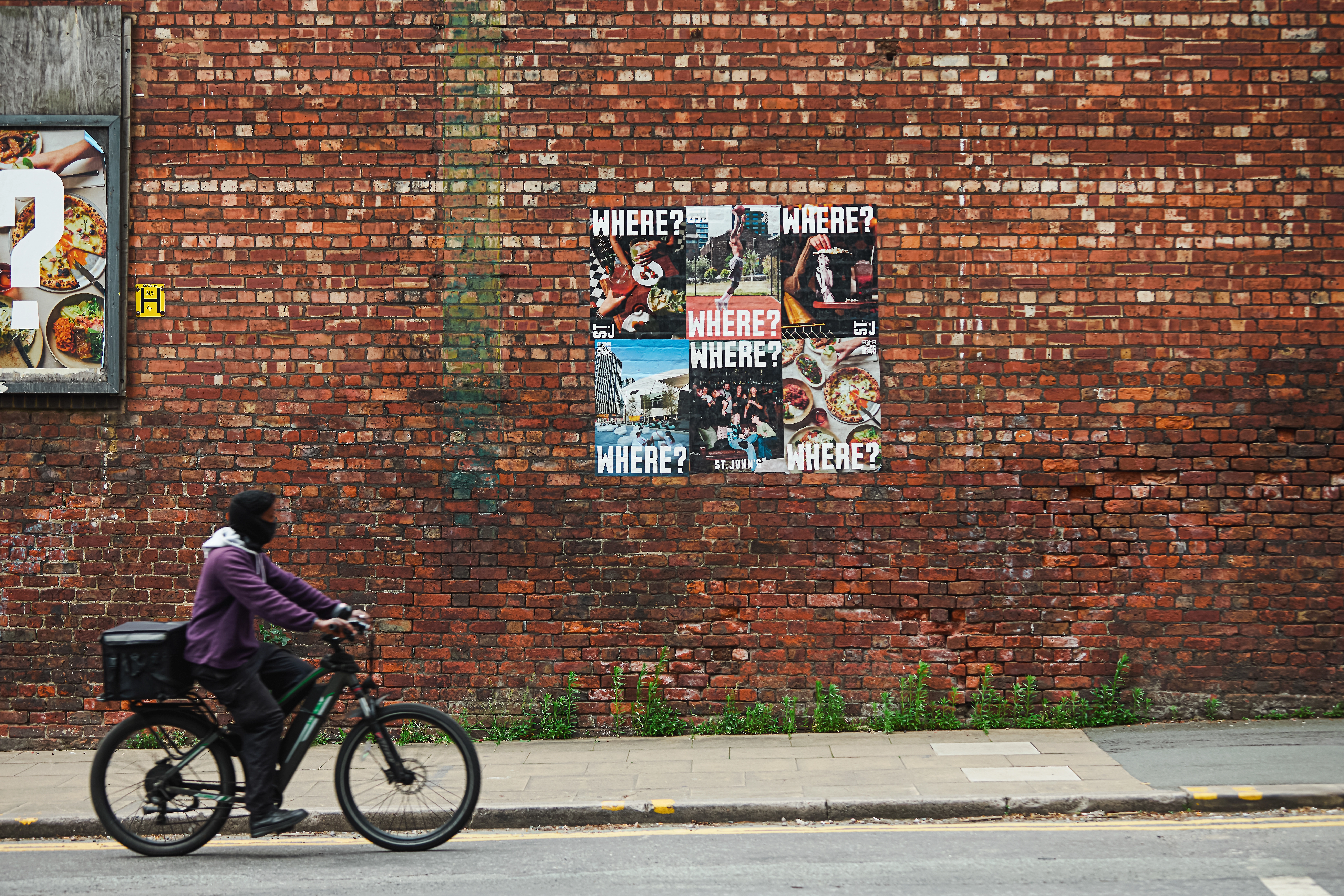
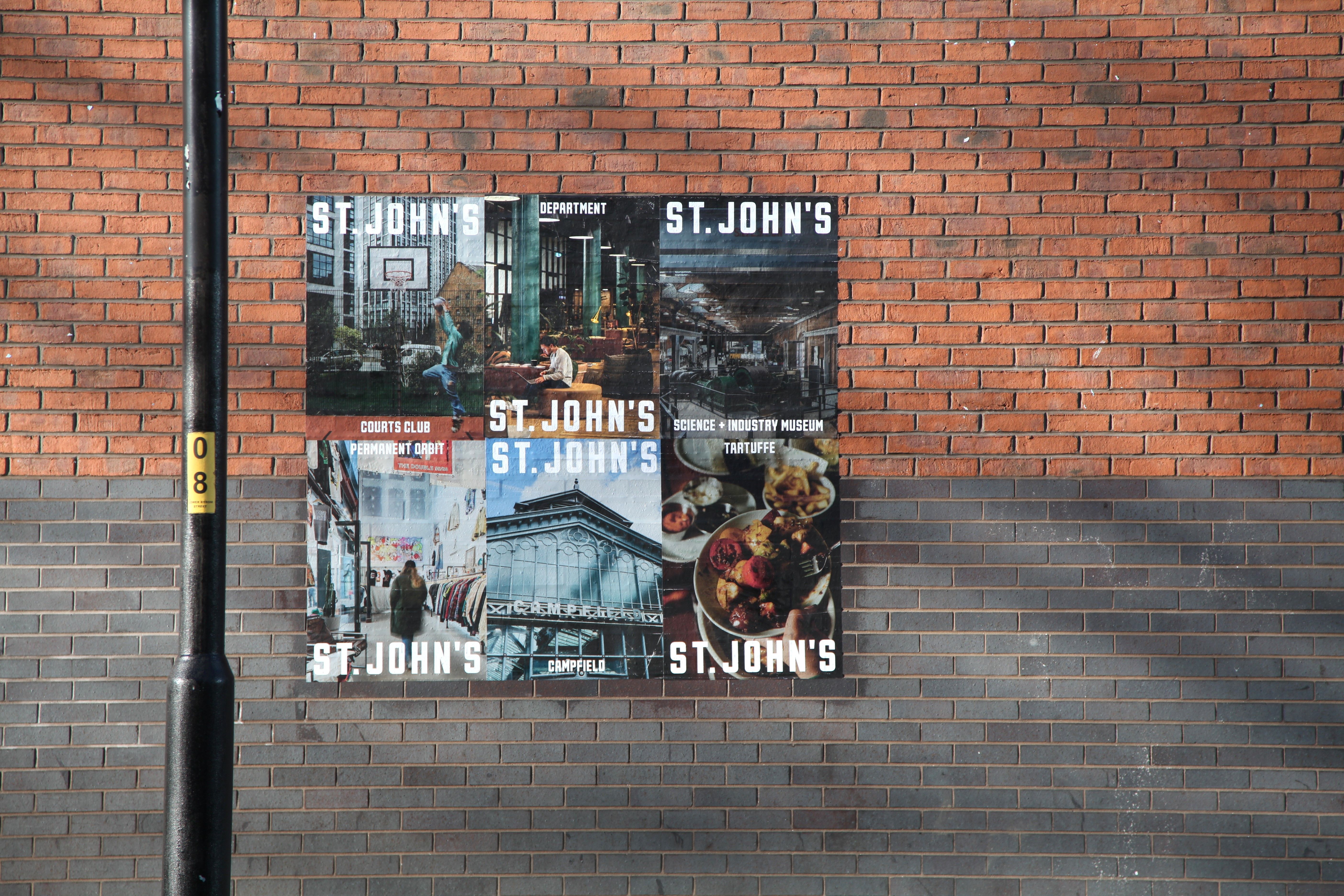
At St. John’s, that has meant working closely with venues including Soho House, Mollie’s, Permanently Unique and Aviva Studios. Ensuring those relationships are translated externally in a way that builds clarity and confidence around what the development is becoming.
Placemarketing is also about sequencing, how and when things are announced and how each moment builds on the last to create sustained momentum rather than isolated spikes of attention.
Done well, it doesn’t just promote a place. It builds recognition, trust and expectation across every audience that matters to a scheme.
Placemaking: How a Place Actually Functions
Placemaking is often reduced to programming and events, but in reality it is far more operational than that.
It is about how a place functions day to day, how safe it feels, how clean it is, how well it is maintained and whether people actually want to spend time there.
That requires close collaboration with operations, security and cleaning teams. The fundamentals matter: lighting, visibility, waste management and general upkeep all directly shape experience. Even small details, like dog waste bins or clean handrails, play a role in how a place is perceived and whether it feels cared for.
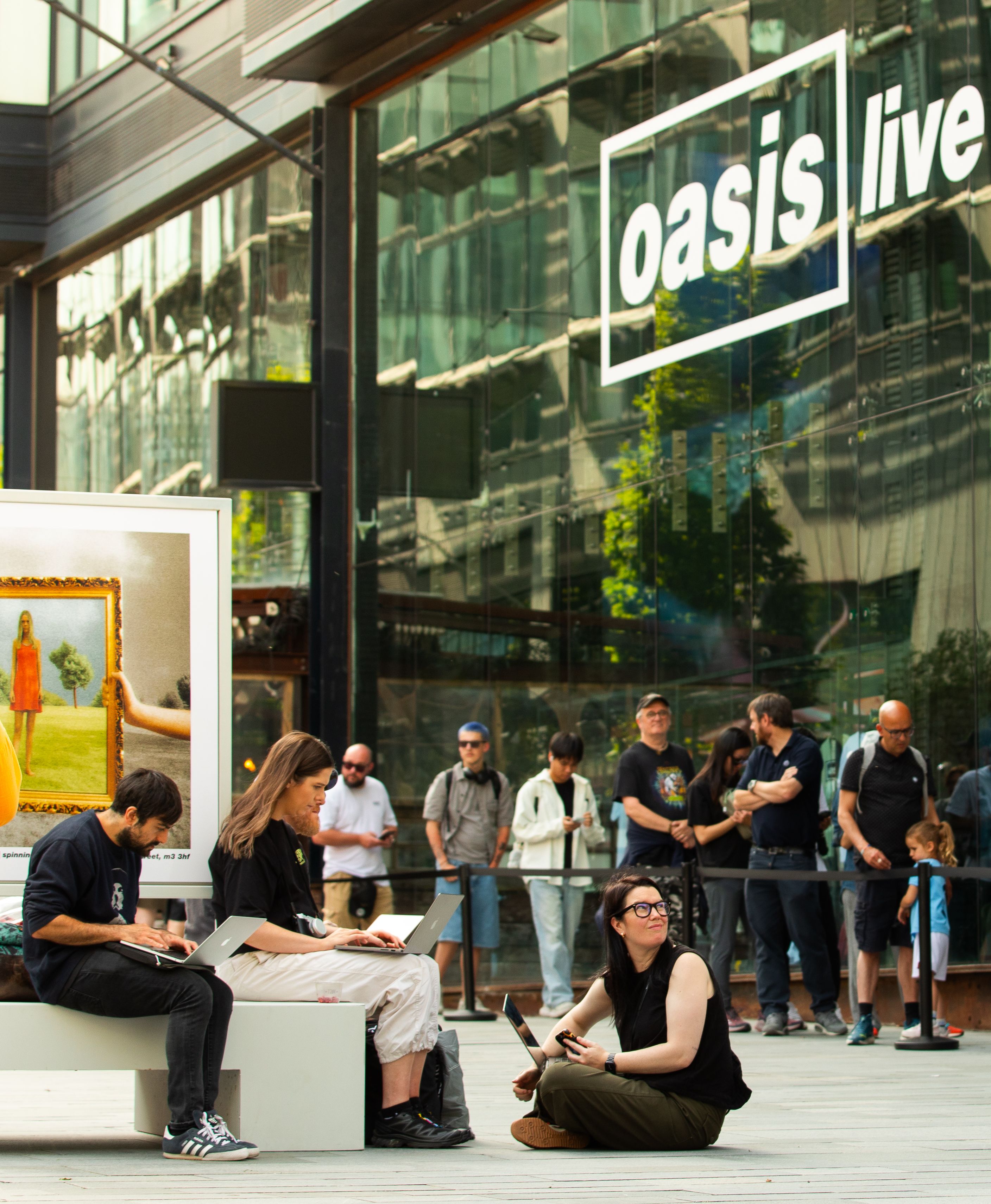
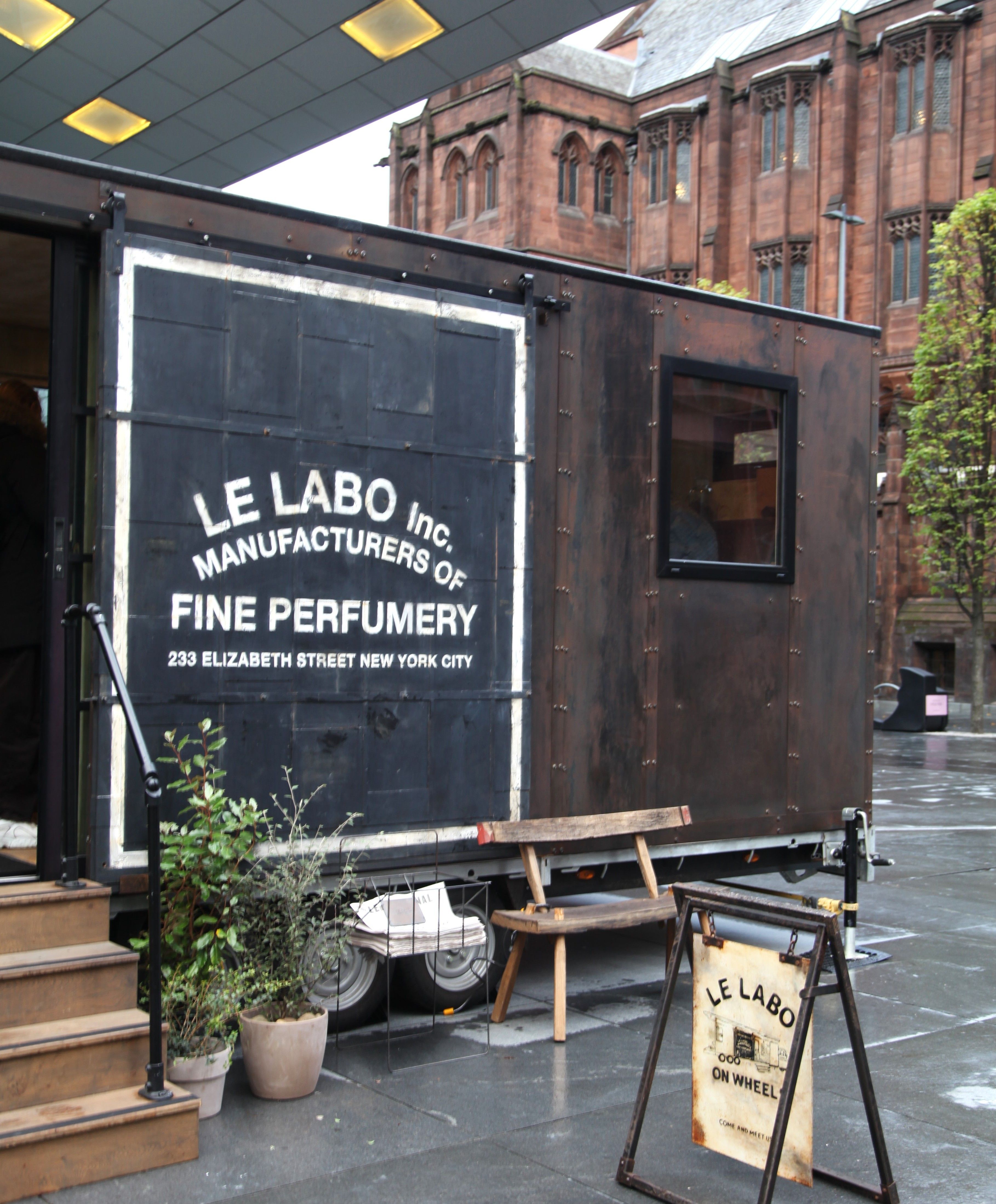
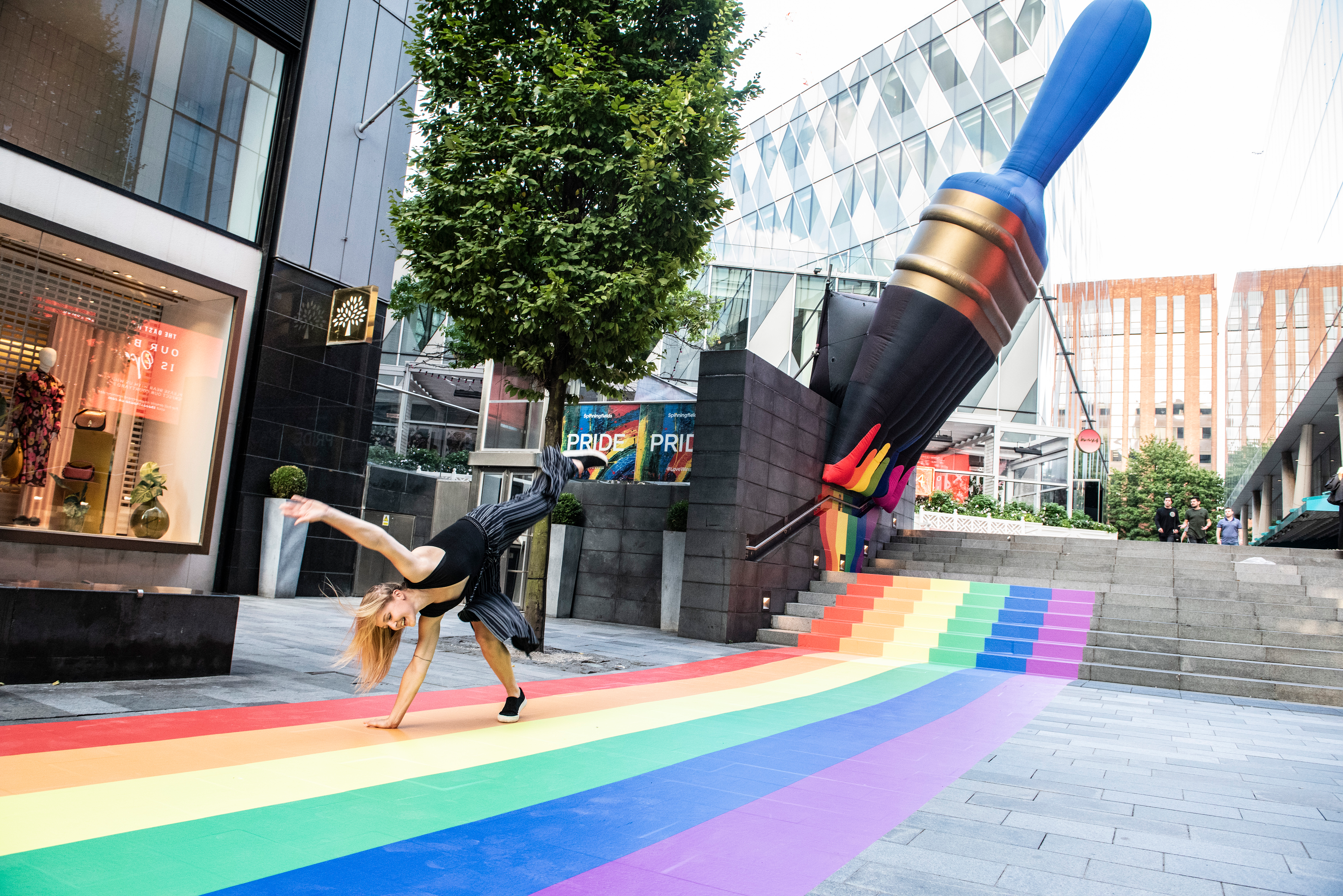
At Spinningfields, placemaking has also been delivered through activations with major brand such as Le Labo, Disney+ and Malibu, alongside cultural moments such as the Oasis Live ’25 store, which drove significant increases in footfall, dwell time and PR impact. As well as our outdoor installations including our art trail and seasonal photo opportunities.
But none of that works if the operational layer isn’t right.
Same Strategy, Different Job
The issue isn’t that placemarketing and placemaking are misunderstood individually it’s that they’re too often collapsed into one thing.
Placemarketing sets expectations.
Placemaking delivers experience.
They need to work in parallel, but they are not the same.
Working across both Spinningfields and St. John’s has shown that they must form part of a single cohesive strategy, but must remain distinct disciplines, each requiring equal seriousness in execution.
If you’re looking to understand how placemaking and placemarketing can work together to create stronger, more meaningful places, get in touch with the Form Placemaking team.