The Making of a Place: Marketing and Operations
In city centre districts like Spinningfields and St. John's in Manchester, placemaking is often talked about as an outcome, something that simply “exists” once a place is successful. In reality, it’s a continuous, collaborative process. One that sits squarely at the intersection of marketing and operations.
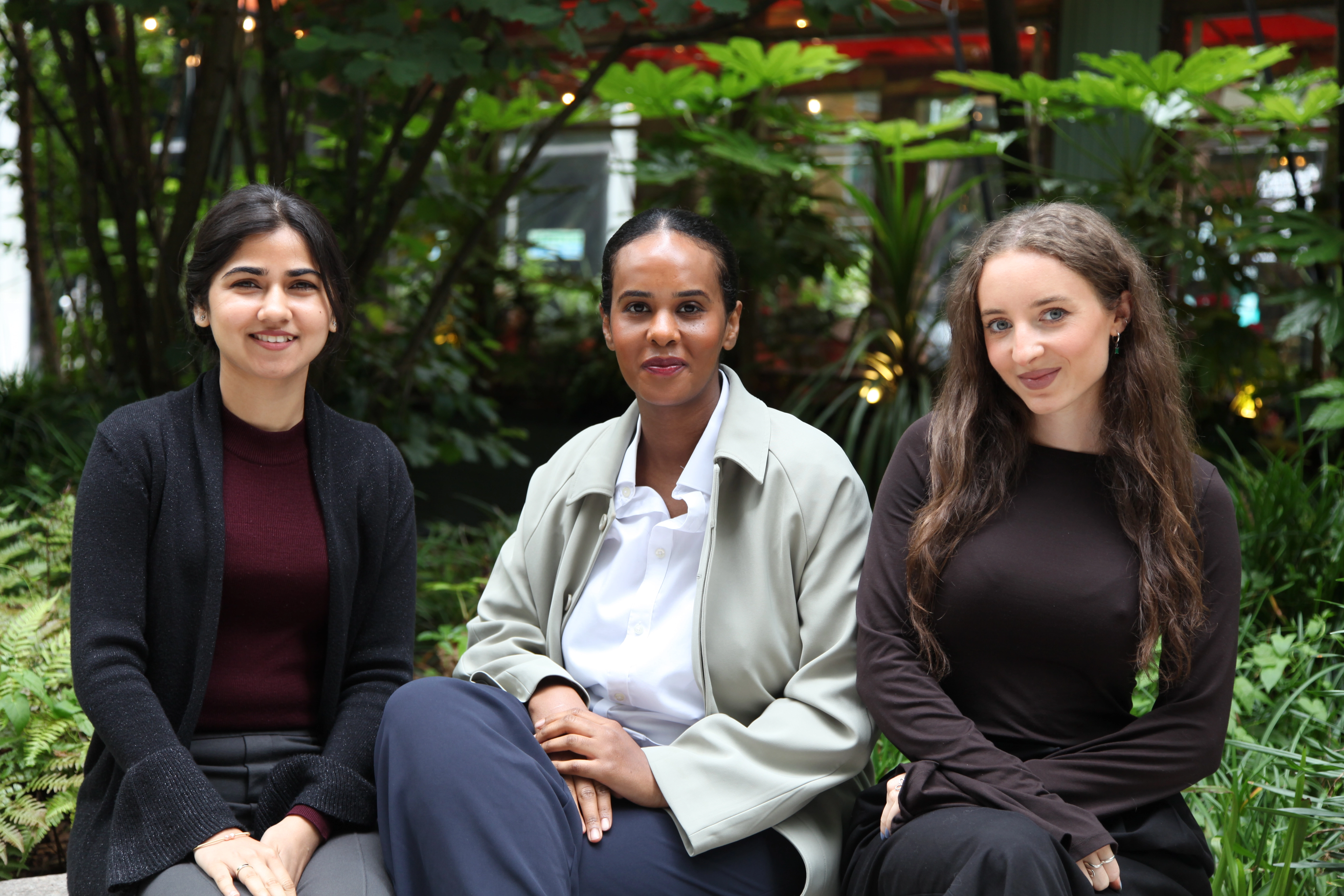
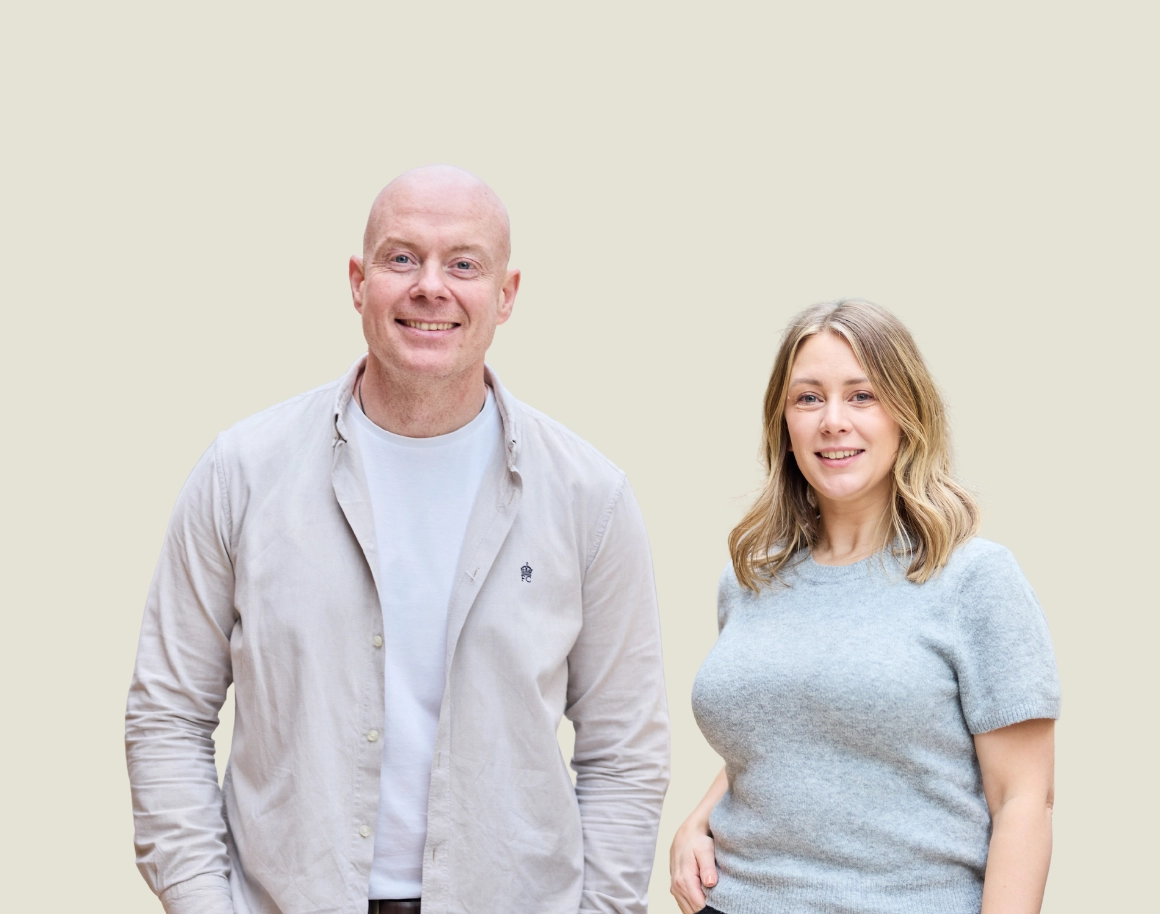
We spoke to Kayleigh Sheldon, Head of Marketing and Pete Skelton, General Manager of Estates who work across both estates about how that relationship plays out in practice, defining placemaking today and what success looks like in the years ahead.
Defining placemaking today, and where marketing meets operations
Kayleigh: Placemaking is about carefully curating a genuine sense of community, buzz and belonging, it’s not something that just happens by accident.
It spans everything. From the basics like wayfinding, cleanliness and safety, through to the more visible layers like animation, events and activations. It also extends into the digital and OOH spaces, how a place shows up online, how it communicates and how it makes people feel before they’ve even arrived.
Where marketing and operations naturally overlap is in making sure those touchpoints align.
"You can’t market a feeling that the on the ground experience doesn’t deliver and equally, great operational delivery needs to be brought to life through storytelling and visibility."
At both Spinningfields and St. John’s, that overlap is constant. It’s not a handover between teams, it’s a shared responsibility to make sure the experience matches the portrayal, every single day.
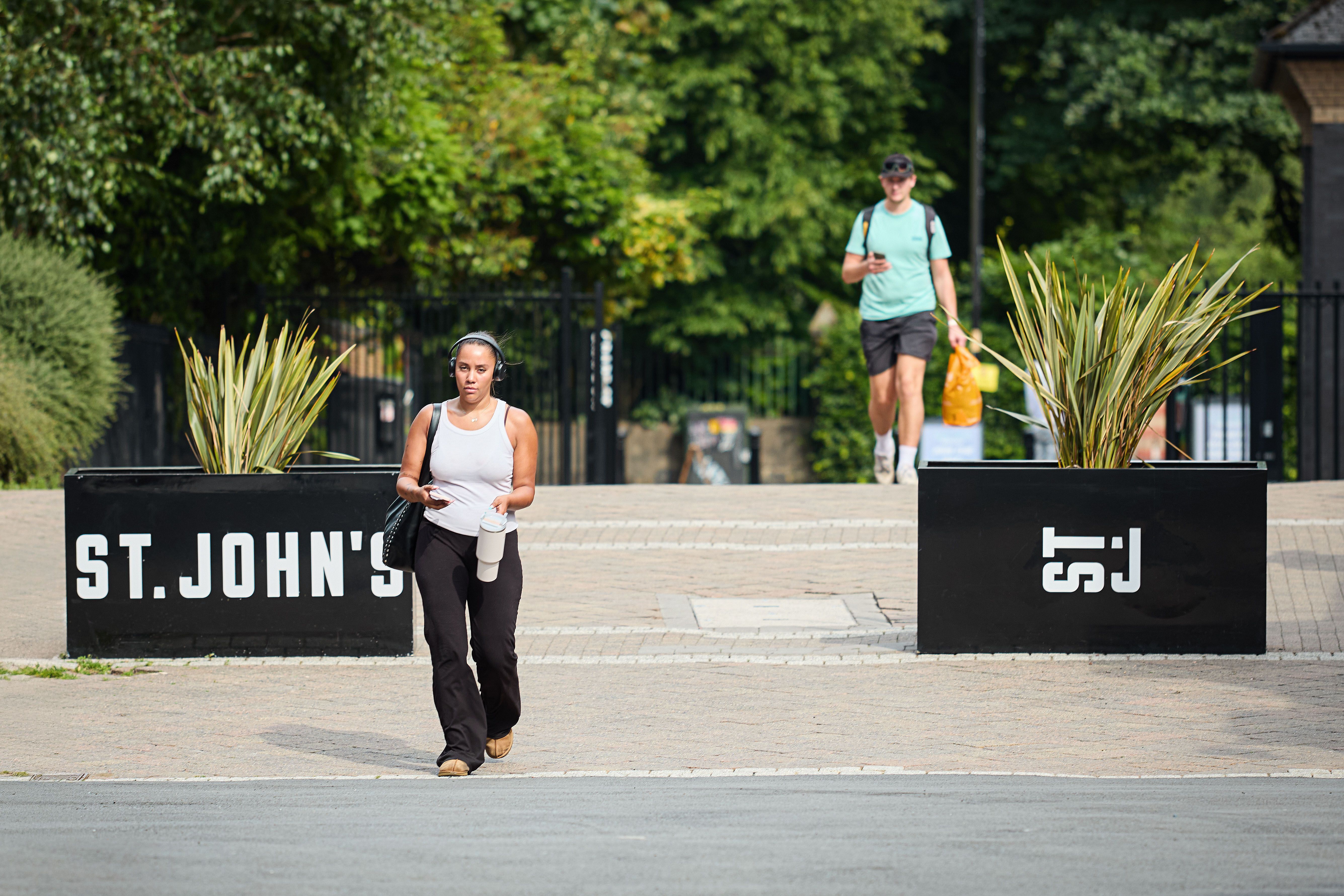
Pete: From an operations standpoint, placemaking is about consistently delivering an environment that functions as well as it inspires, where the space, tenant mix, events, and day to day experience align.
At both Spinningfields and St. John’s, marketing may define the promise of a place’s positioning, tone, and audience, but I would say that operations are responsible for making that promise tangible, repeatable, and frictionless.
Placemaking only works when both are tightly integrated because a strong brand without operational execution quickly loses trust.
Collaboration in action
Kayleigh: At both Spinningfields and St. John's, collaboration is constant. It shows up in the small, everyday interactions. Whether that’s structured sessions like team tabletop exercises, quick conversations over coffee, or just staying closely connected on our team channels.
It’s also much broader than just the relationship between myself and Pete. Placemaking involves everyone who touches the estate. That means regular catch-ups with partners like our security and cleaning team Adept, as well as spending time with our office tenants and F&B operators, often just dropping in to say hello and hear what’s really going on.
We all have our own responsibilities but there’s a shared understanding that information shouldn’t sit in silos. We’re not precious about passing things on, sharing ideas or challenging each other to think differently.
That openness is what allows us to respond quickly, spot opportunities early and ultimately create a more joined-up experience for the people using the space.
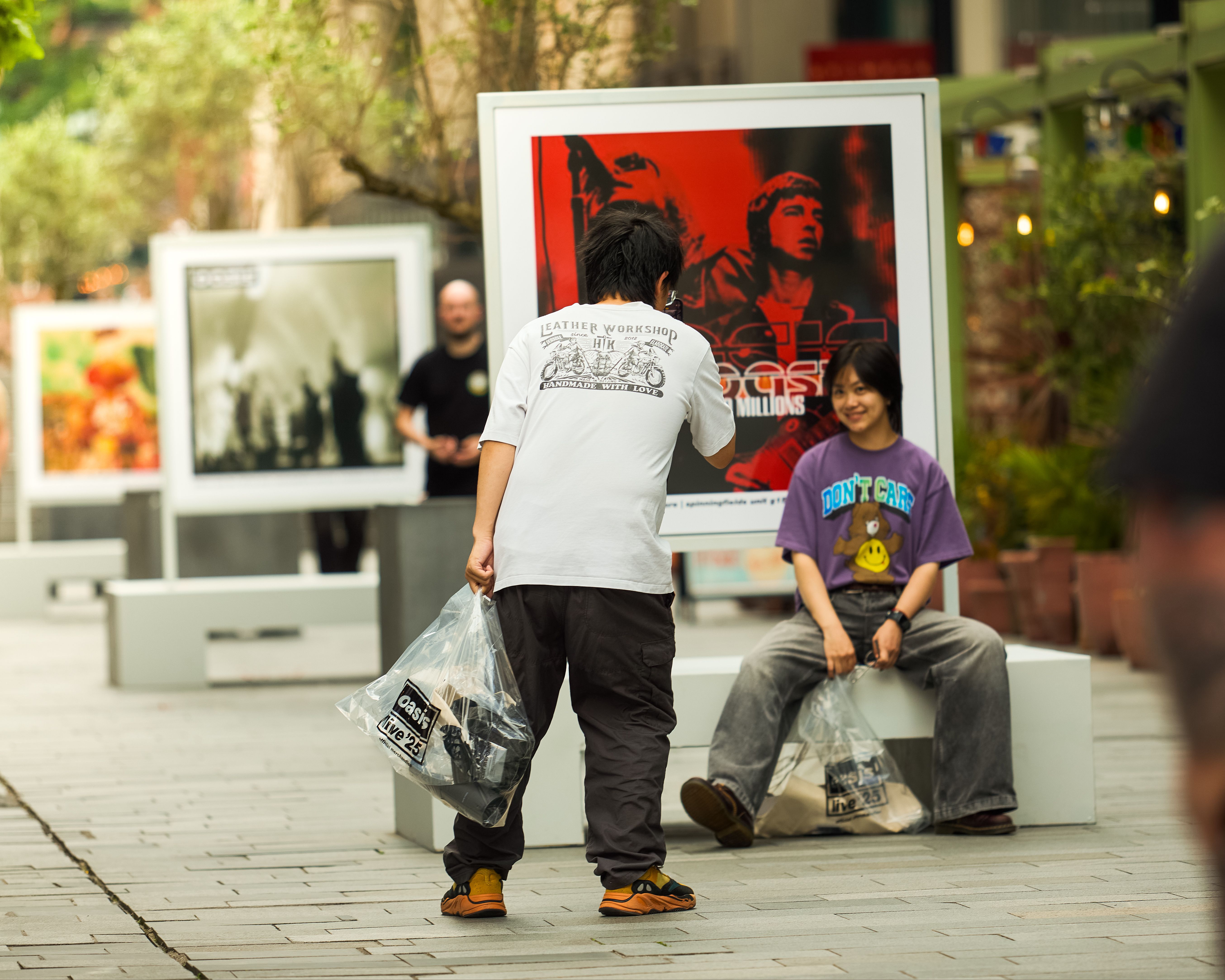
"A standout moment of collaboration was the Oasis Live ’25 Flagship Fan Store that we delivered in 2025. Through strong teamwork we created something that had never been seen in Spinningfields before."
Pete: On the days of the concerts, the whole of Spinningfields became a real hub for fans, brought to life through a series of thoughtful and engaging activations. There were so many venues on the estate that got involved and collaborated with us, this reflected the effort that went into pulling everything together as a team.
It was such a rewarding experience, and I felt so proud of everyone involved from the marketing team through to the litter pickers across the estate, all of whom helped ensure standards were maintained at the highest level.
Where friction can arise and how to overcome it
Kayleigh: One of the biggest challenges is that everyone consumes marketing, so naturally everyone has an opinion on it.
We genuinely welcome that input, it’s important, especially in placemaking where so many different teams and partners are involved. But managing that volume of opinion and balancing expectations, isn’t always straightforward. There’s a responsibility on us to make sure what we deliver stays true to the overall vision for the place, not just individual perspectives.
At both Spinningfields and St. John's, the way we navigate that is through clarity of roles and trust in each other’s expertise.
It’s about understanding what marketing needs to happen, what operations need to happen and where those roles overlap. Once that’s clear, it becomes much easier to collaborate effectively rather than compete for direction.
We’ve spent a lot of time building that understanding as a team, and I think we’ve got to a point where it works well. There’s a shared respect and that makes it easier to take on input without losing focus on the bigger picture.
Pete: We have a difference in pace and priorities. Marketing often works to campaign deadlines, while operations are guided by physical, regulatory, and practical constraints.
This can also extend to success metrics, where marketing typically focuses on engagement, reach, and perception, whereas operations are more concerned with safety, efficiency, tenant impact, and cost control.
"We’ve found that the best way to bridge this gap is through early stage collaboration, where operational input helps shape campaigns from the outset."
It’s also important to establish shared definitions of success, such as focusing on the quality of dwell time rather than footfall alone.
When things fall out of sync
Kayleigh: People can absolutely feel when marketing and operations are out of sync in a place.
If you’ve built a strong brand or identity online that doesn’t align with the real experience of the place, it becomes obvious very quickly. And it’s not always something people can articulate, they just know it just doesn’t feel right.
In places like Spinningfields and St. John's, where you’re trying to create a genuine sense of place, that disconnect can be really damaging.
It might show up in small ways, the tone of voice doesn’t match the atmosphere, the space doesn’t feel as welcoming as it looked online, or the level of animation and energy isn’t what people were expecting. But collectively, those moments create a sense of discomfort.
More than anything, it chips away at trust. And once that trust is gone, it’s very hard to rebuild.
"That’s why alignment between marketing and operations isn’t just a 'nice to have' we see it as a fundamental in making a place feel comfortable and consistent."
Pete: The disconnect typically shows up as:
- Beautifully marketed spaces that lack energy or activation
- Wayfinding, cleanliness, or security not matching brand expectations
- Tenants unprepared for demand created by campaigns
In simple terms: the story says one thing, but the experience says another.
The future of placemaking
"Placemaking has become a bit of a buzzword and it’s often talked about more than it’s actually lived."
Kayleigh: For me, the future of placemaking is much less about the language and much more about the action behind it. It’s about being present, being accountable and genuinely caring about the places you’re responsible for.
At Spinningfields and St. John's, we live and breathe the estates. We’re not removed from them, we’re part of the furniture. And I think that really matters.
People buy into people. So for me, successful placemaking over the next few years is about strengthening that human connection, making sure the people shaping these places are visible, approachable and invested.
If that care is real and it’s consistent, people feel it. And when people feel it, that’s when somewhere stops being just a development and starts to genuinely feel like a place.
Pete: For me, success is ultimately about invisible excellence where everything functions so smoothly that people don’t have to think about how it’s being delivered.
In practical terms, that means achieving a seamless integration between the physical environment and programmed experiences, so that events, public realm, and everyday use feel like a single offer. More and more, it depends on data informed operations that respond to real patterns of how people move through and use a place, rather than assumptions.
Alongside this, sustainability needs to be embedded into day to day, rather than treated as an add on or standalone initiative. For city centre districts like Spinningfields and St. John’s, I feel the next phase of placemaking is about moving beyond activation led programming towards creating habit forming destinations. Simply put, places that people return to regularly as part of their everyday lives, not just spaces they visit occasionally.
Placemaking isn’t owned by marketing or operations, it lives in the space between them. And when that space is working well, people don’t notice the mechanics. They just feel it.
Get in touch to find out how we can help bring your place to life.