The Making of a Place: Building a Brand

What does it really mean to “build the brand of a place”? And how does that idea hold up over time as districts evolve, communities shift, and expectations change?
We spoke with Jacques Lachetta, Brand Marketing Manager at Form Property, to unpack how placemaking, storytelling, and lived experience all come together to shape the identity of a location, from commercial districts like Spinningfields to emerging creative hubs like St. John’s.
What does it actually mean to “build the brand of a place”?
"You really have to take a holistic approach. It’s not just a logo and colour scheme, it’s about influencing how people feel when they are in the place."
Jacques: That can be through curated activations, designing placemaking installations and establishing consistency in the messaging. You have to start with feeling - how you want people to feel - and everything should stem from that core emotion. Any decision about the place should come back to the question, ‘does that make people feel the way we want’ - whether that’s a font, the brand interested in a pop-up store, or the work of an artist chosen to exhibit.

What creates a strong identity over time?
Is it architecture, tenants, programming, culture, or something else entirely?
Jacques: It's a mixture of all of the above, it all blends together into how people perceive a place - these elements can’t be viewed in isolation. Placemaking should always be a part of place from the outset, alongside the architects, leasing and management - it is as important to the identity of the location as the finish of a wall. In addition to this, the identity compounds over time. If we go back to ‘does that make people feel the way we want’ as a question, hundreds of small decisions using this question over time help create this identity - the repetition of the question shapes the location to the identity and brand intentions.
The Evolution of Spinningfields
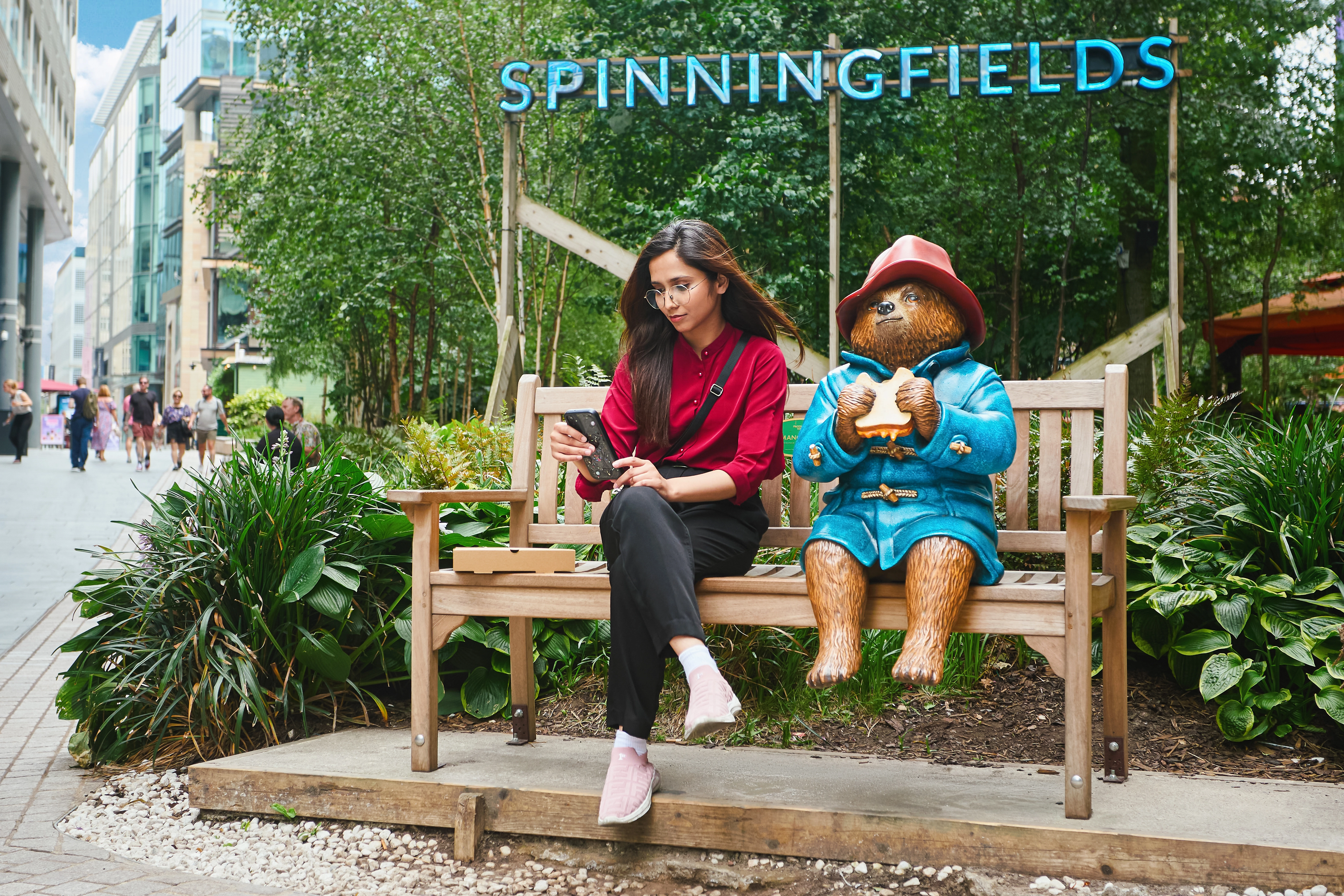
Jacques: Spinningfields set the tone for any corporate, business district outside of London, writing the rulebook on what a commercial destination should be.
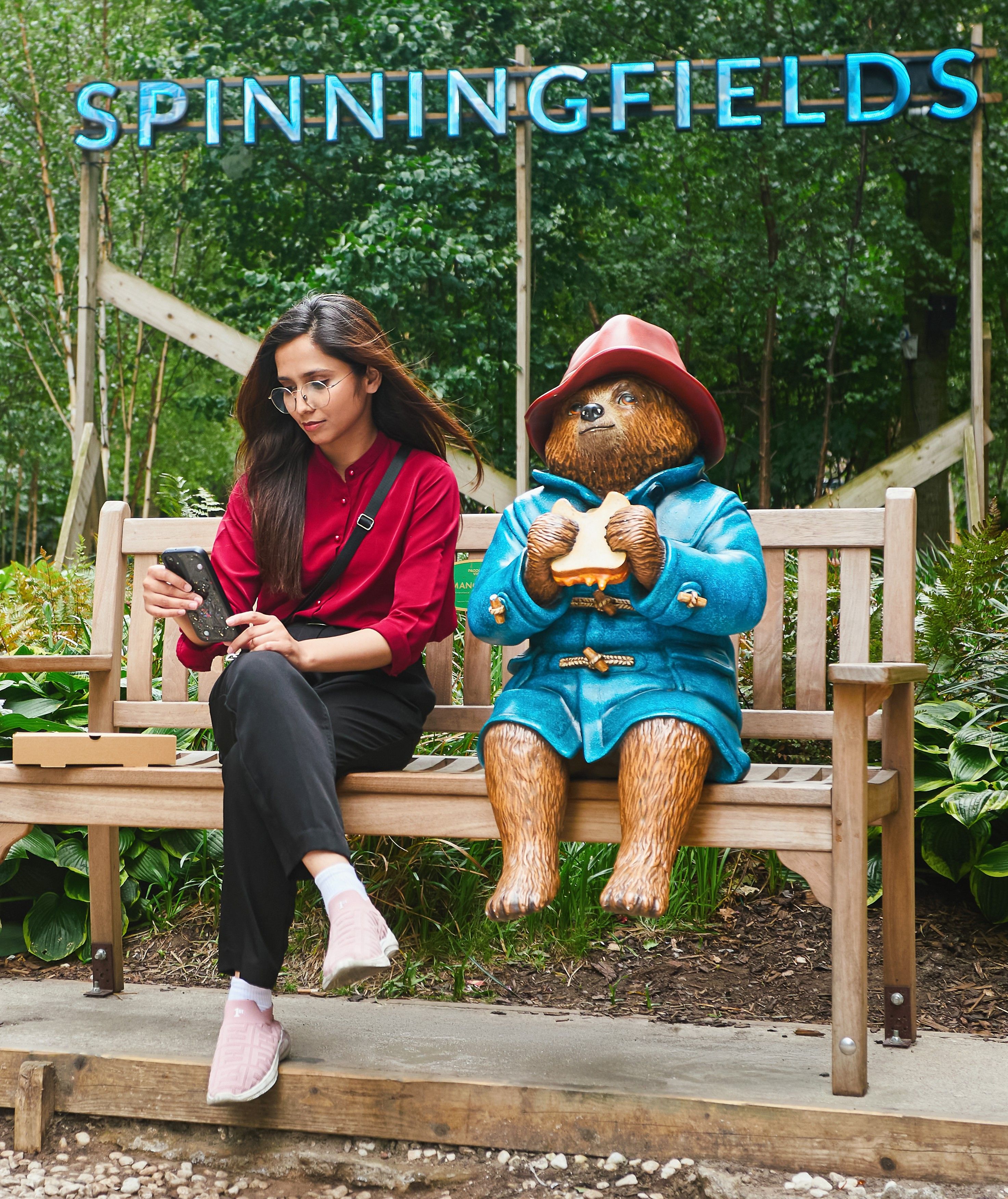
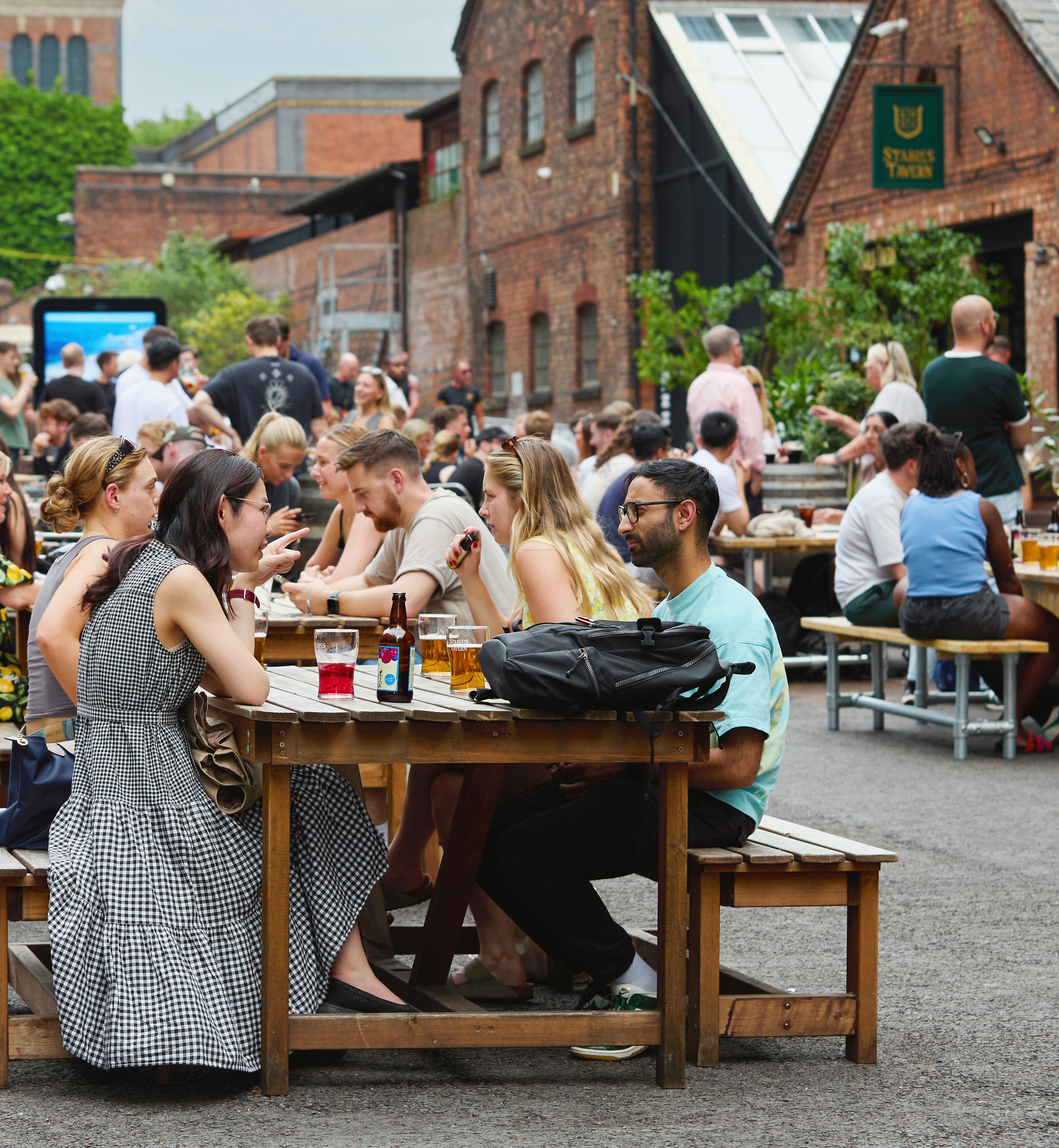
I think the way that we interact with place has changed a lot over the last twenty years, with a large shift towards community and connection, especially in an increasingly online world. People spend the majority of their life at work and they want to foster a community around their jobs - we’ve seen that at Spinningfields with the Little Lot allotment that workers can volunteer at during lunch and with the response to campaigns that utilise community artists.
People connect with people and platforming this is a huge part of Spinningfields’ brand story.
What makes St. John’s different?
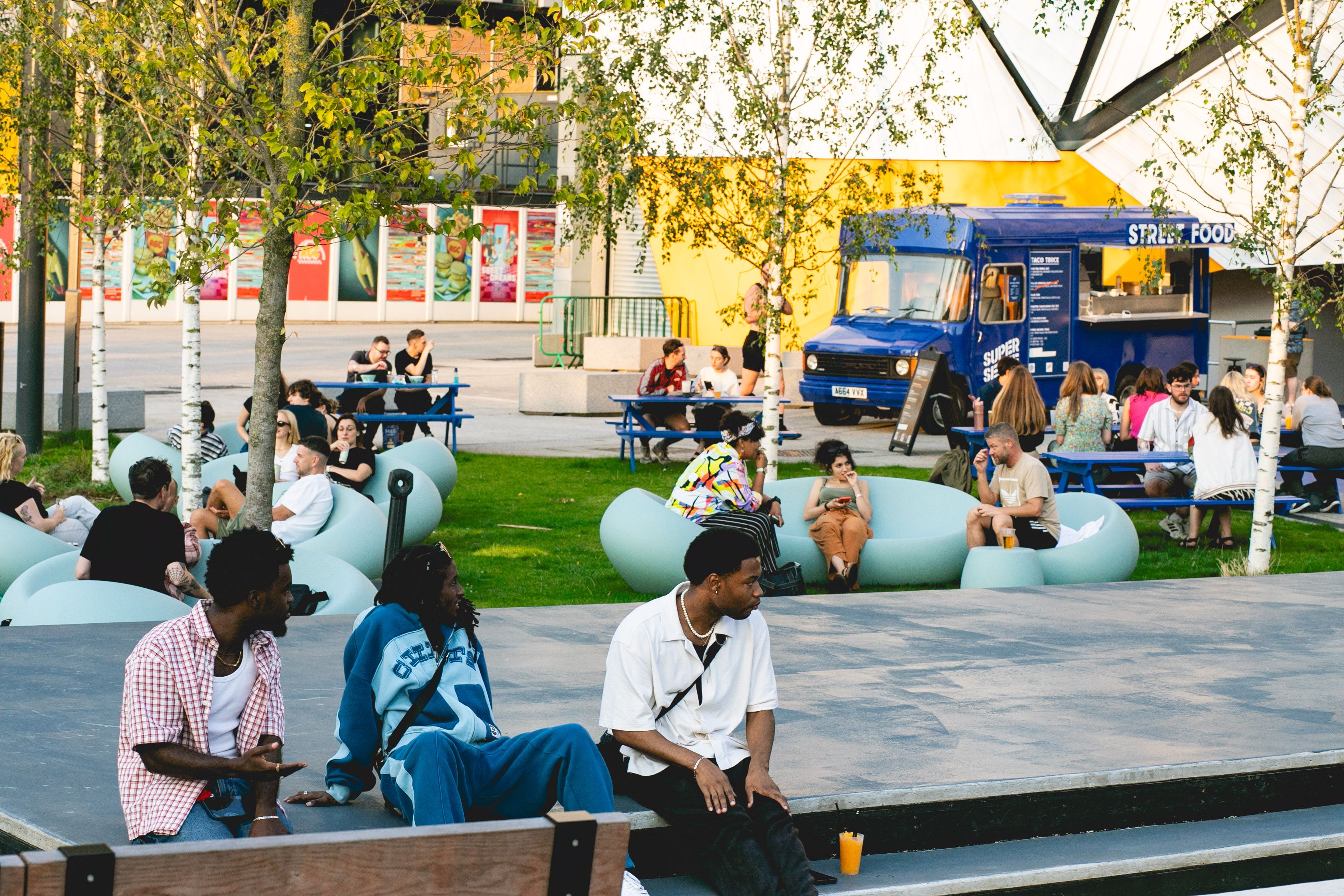
Jacques: St. John’s has such incredible history, being the site of Old Granada Studios - and we will never be shy about leaning into that connection.
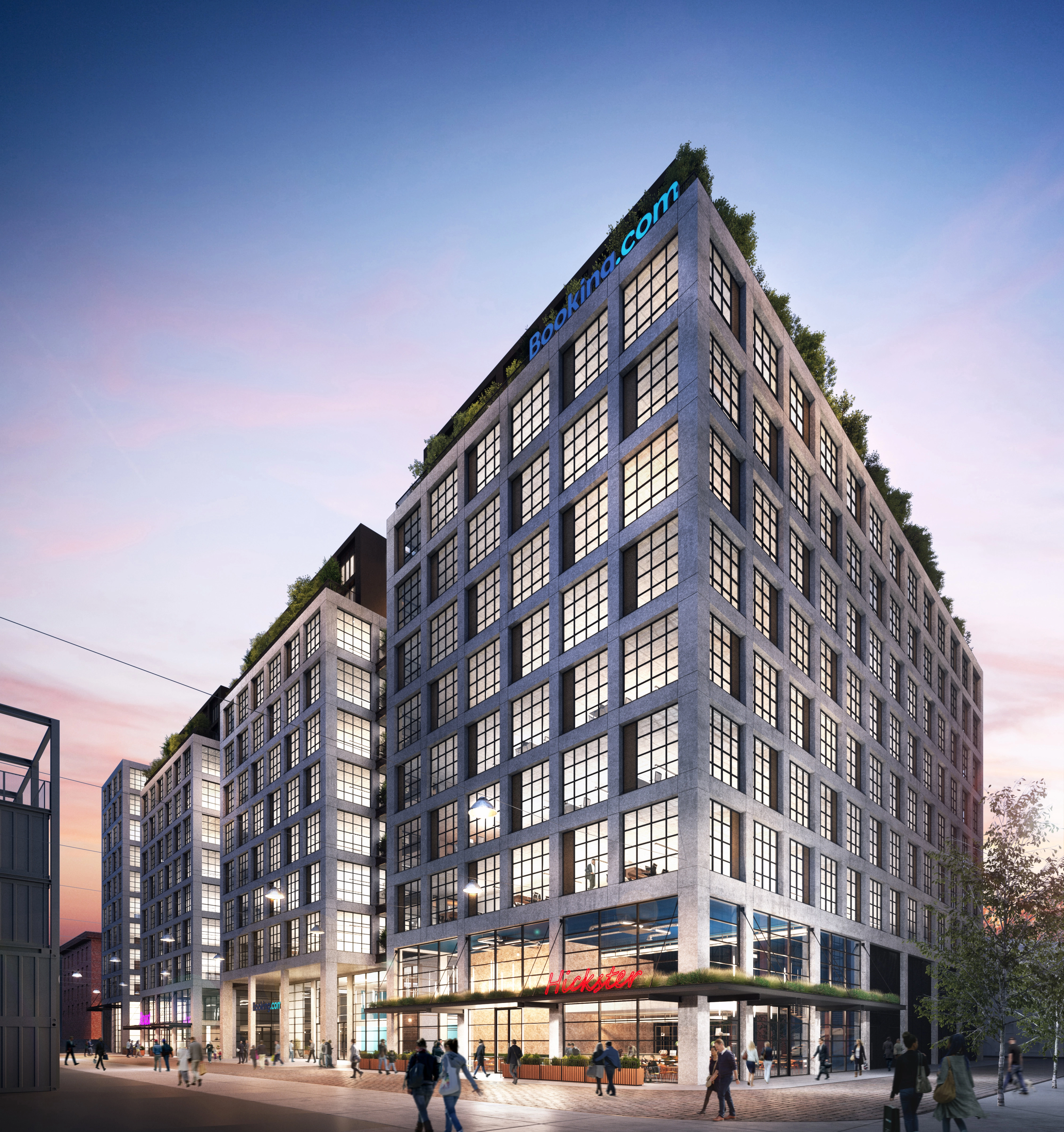
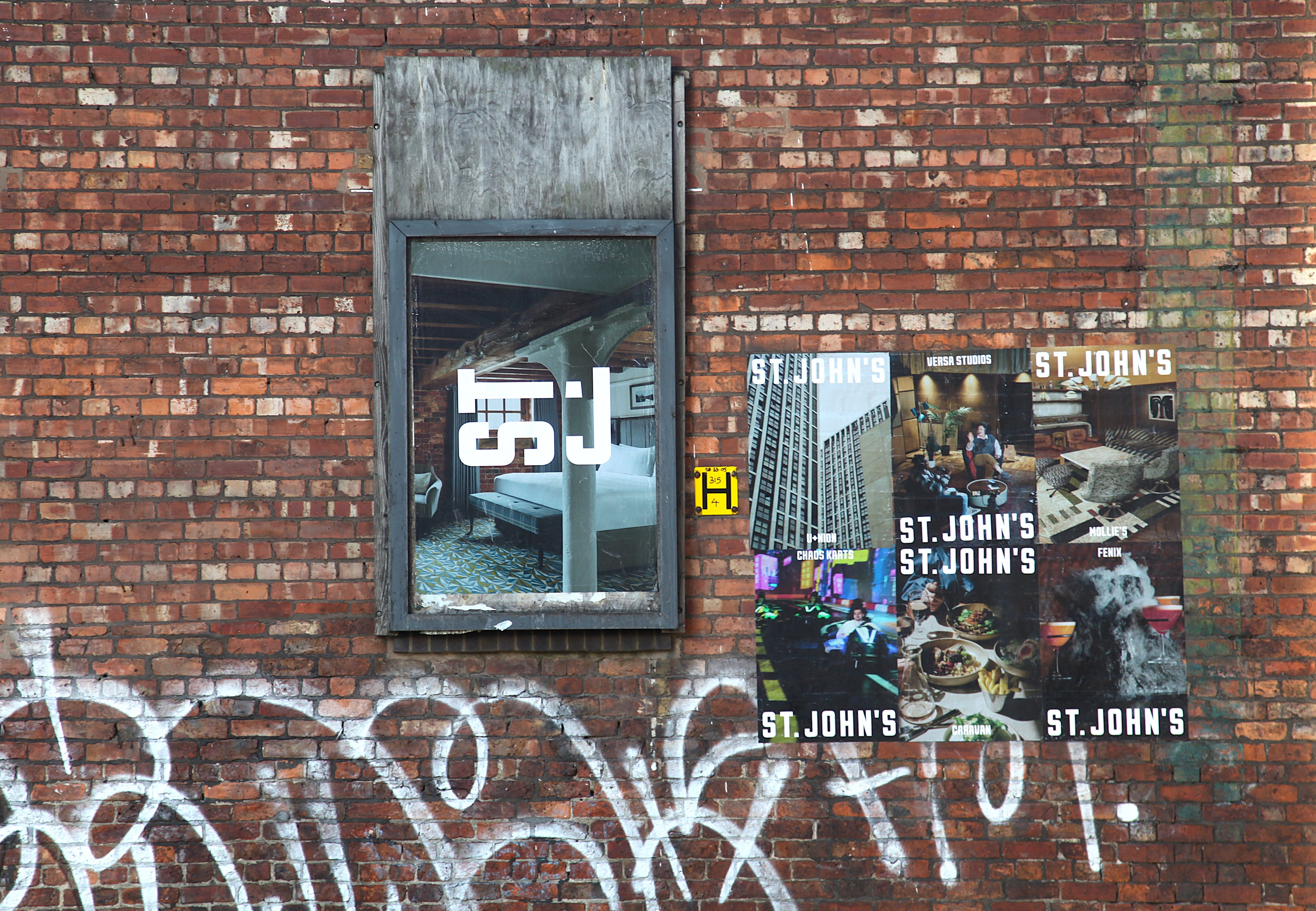
The creative tenants on St. John’s such as VERSA and Aviva Studios reflect this history and the brand direction for St. John’s delivers on this creativity, whilst also reflecting the gritty, industrial buildings such as Bonded Warehouse.
Energy is definitely the word. There’s a freshness brought by the local enterprises located on St. John’s that we try and encompass with the brand delivery.
Storytelling versus lived experience
"Storytelling helps capture initial attention and set people’s expectations, but nothing beats lived experience in the long run."
Jacques: The experience either confirms or breaks the promise of the expectation - and it’s that outcome that remains in your mind. If a place is branded and sold as a creative district but when you get there there’s no creativity on display, you’re not going to think fondly of it, whereas if you go and can see the work of local artists on murals it will reinforce the storytelling narrative.
The risks and opportunities of branding a place
Jacques: I think one of the two most harmful brand risks is a lack of adaptability. Places evolve over time and you need to be ready to refresh, or change the brand. A tired location sticking to the brand direction given when launched 10 years ago is only going to become an even more tired location. Equally, empty placemaking is incredibly harmful, whether that's greenwashing initiatives, or using AI generated art instead of local artists in the community. It’s 2026, people can see straight through it. The words ‘authenticity' and ‘honest' are overused when it comes to brands, but for a reason - they need to be at the core of every project delivered.
"The real opportunity in something done well lies in its ability to create emotional connection and feel culturally relevant."
Emotional connection reinforces the positive brand perception in a visitor’s mind, going back to how does a place make you feel. Cultural relevance comes from a positive approach to adaptability and change, getting ahead of a trend before it becomes passé. Both of these will lead to increased footfall and dwell time, which is the end target for any commercial place.
Looking to build a place people connect with? Get in touch with our marketing and placemaking team to see how we can help.